

Sustainable Fashion: Knitting and Crochet as Eco-Friendly Practices
In a world where environmental consciousness is increasingly important, the fashion industry is facing growing scrutiny over its environmental impact.
As consumers seek out more sustainable alternatives, traditional crafts like knitting and crochet are experiencing a resurgence for their eco-friendly practices.
Let's explore how these time-honored crafts promote sustainability through the use of natural fibers, upcycling, and reducing textile waste.
Natural Fibers:
One of the key ways that knitting and crochet contribute to sustainability is through the use of natural fibers such as wool, cotton, linen, and bamboo. Unlike synthetic fibers like polyester and acrylic, which are derived from petroleum and contribute to pollution and resource depletion, natural fibers are biodegradable and renewable.
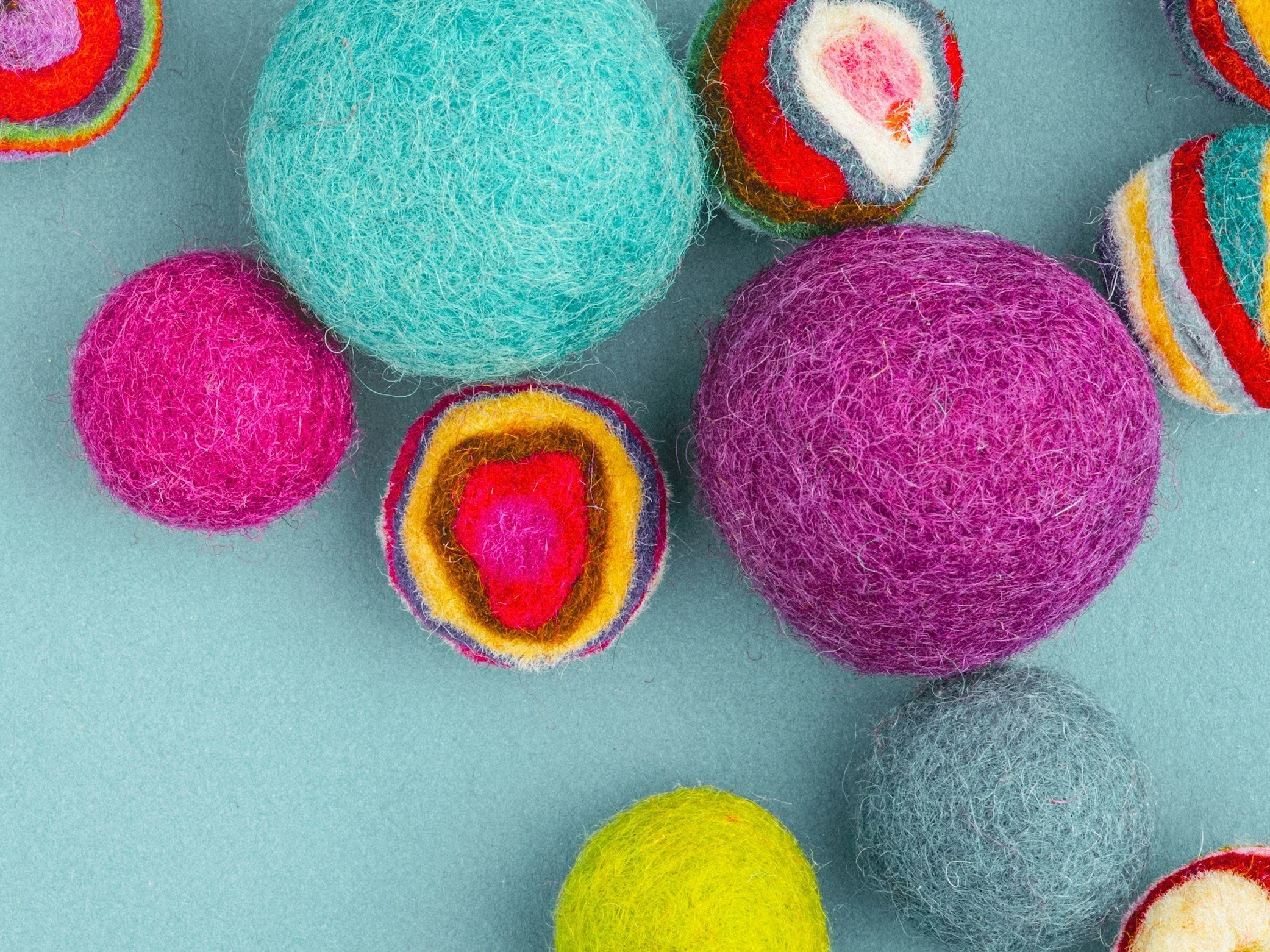

Wool, for example, is harvested from sheep and other animals, making it a sustainable choice for yarn. Cotton is another popular natural fiber, derived from the cotton plant, and is known for its softness and breathability. By opting for natural fibers in their knitting and crochet projects, crafters can reduce their environmental footprint and support sustainable agriculture practices.
Additionally, knitting and crochet projects often produce minimal waste, as crafters can customize their designs to use up every last bit of yarn, leaving little to no scraps behind.

Upcycling:
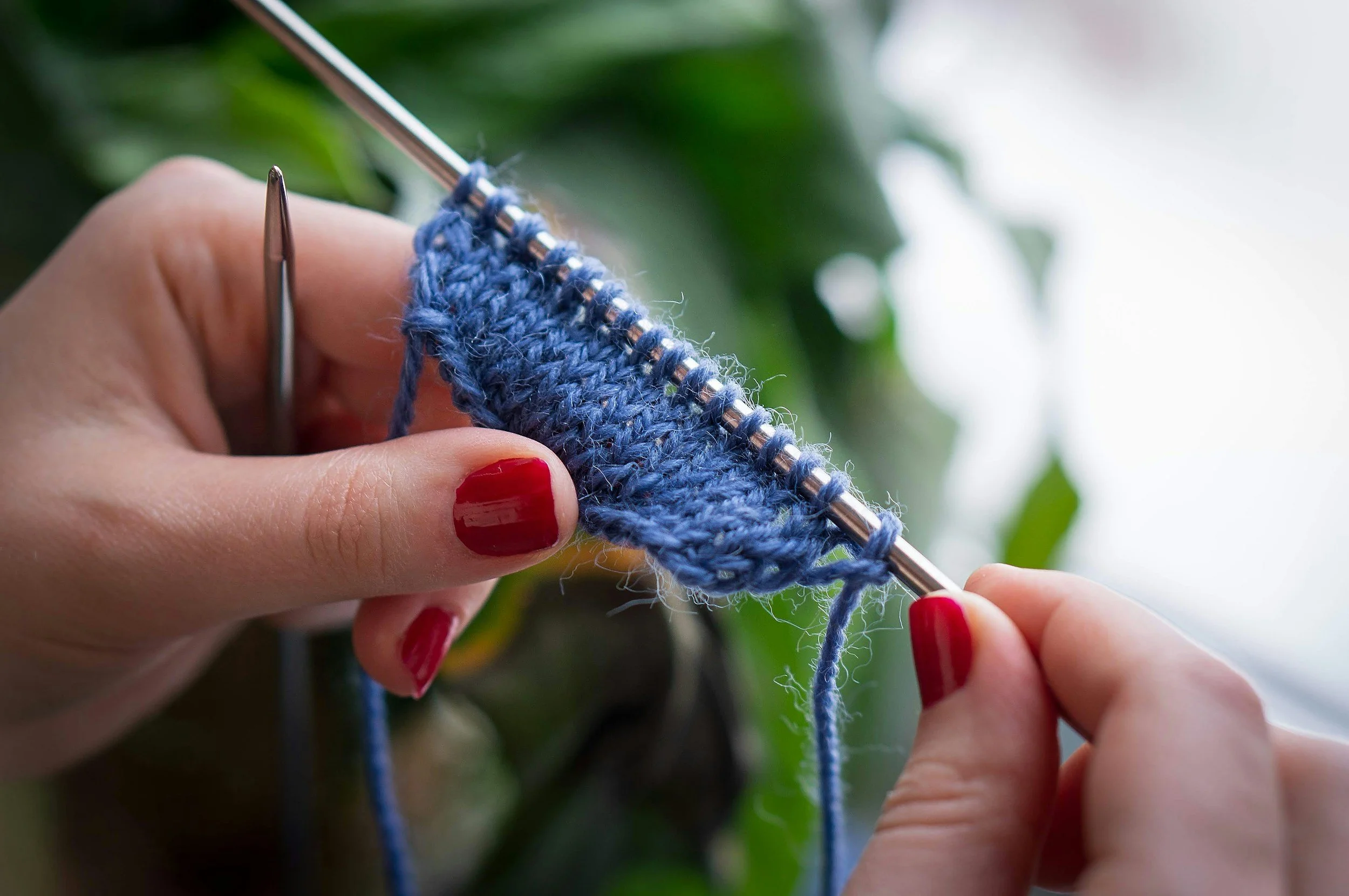
Knitting and crochet also promote sustainability through the practice of upcycling, or repurposing existing materials to create something new. Many crafters take advantage of thrift store finds or old garments destined for the landfill, unraveling them to reclaim the yarn for new projects.
Upcycling not only reduces textile waste but also gives new life to materials that would otherwise end up in a landfill. By incorporating upcycled yarn into their projects, knitters and crocheters can create unique, one-of-a-kind pieces while minimizing their environmental impact.
Reducing Textile Waste:
One of the biggest environmental challenges facing the fashion industry is textile waste, with millions of tons of clothing ending up in landfills each year. Knitting and crochet offer a sustainable solution by allowing crafters to create clothing and accessories that are made to last.
Unlike fast fashion, where garments are often discarded after only a few wears, handmade knit and crochet pieces are cherished for their craftsmanship and durability. With proper care, these items can last for years, reducing the need for constant consumption and disposal.
As concerns over environmental sustainability continue to grow, it's clear that traditional crafts like knitting and crochet have an important role to play in promoting eco-friendly practices in the fashion industry. By opting for natural fibers, upcycling materials, and reducing textile waste, knitters and crocheters can create beautiful, sustainable clothing and accessories that not only look good but also make a positive impact on the planet.
So, the next time you pick up your knitting needles or crochet hook, consider the environmental benefits of your craft and take pride in knowing that you're making a difference one stitch at a time.

and sew on…