

A Guide To Understanding Fabric
At first glance, fabric may seem like a bunch of threads woven together. However, if you take a closer look, fabric is much more than that. Every piece of fabric has specific attributes that make it unique. Understanding these components is essential for any project, as it can help achieve professional-looking results.
Key Terms
Selvage: Every piece of fabric has two selvages, located parallel to each other on each end of the fabric. They are woven more tightly than the rest of the fabric to prevent fraying. On most fabrics, selvages contain text listing the manufacturer and, occasionally, the country of origin or the fabric collection. Some selvages also contain small circles that show the colors used in the design.
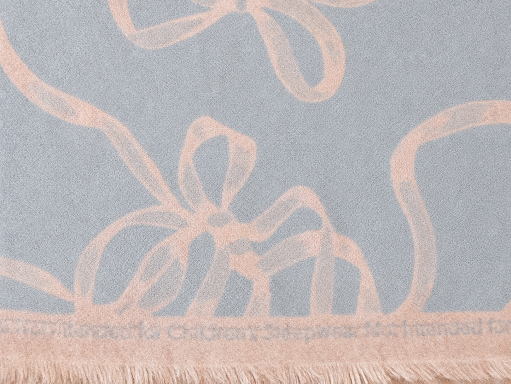
Image of a Selvage Edge
Warp and Weft: Woven fabrics are formed from fibres running lengthwise and crosswise that go over and under each other. Warp fibres run parallel to the selvages, and weft fibres run perpendicular to the selvages.
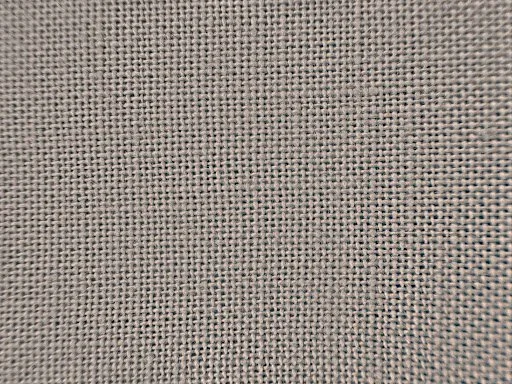
Image of Warp and Weft Fibres
Raw Edge: An edge of fabric that frays when cut, especially in woven fabrics.
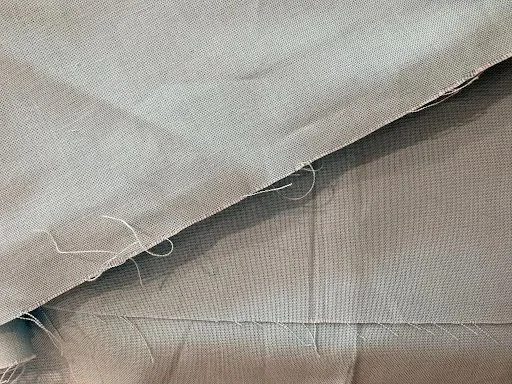
Image of Raw Edges on Fabric
Right Side: The side of fabric where the design is most apparent, such as the side of fabric where the design is printed onto.
Wrong Side: The side of fabric where the design is not as visible.
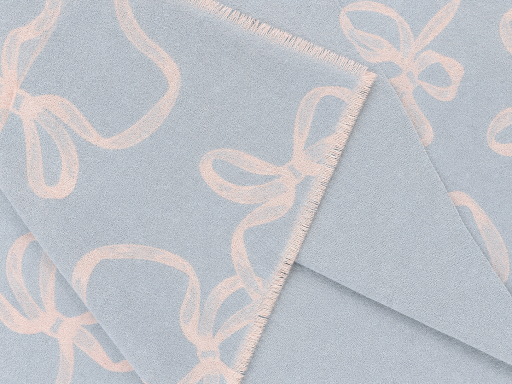
Image of the Right and Wrong Side of Fabric
Grainline: Grainline refers to the direction in which threads in fabric are woven. There are three kinds of grainline: lengthwise, crosswise, and bias grain. The lengthwise grain runs parallel to the selvages and is structurally composed of warp threads. These threads are put under the most tension when weaving fabric, and subsequently, the lengthwise grain is very strong and has very little stretch. The crosswise grain runs perpendicular to the selvages and is composed of weft threads. Crosswise grains have slightly more stretch than lengthwise grains and can be used to give garments some comfortable stretch. Lastly, the bias grain refers to any diagonal direction of fabric which typically runs 45° to the lengthwise and crosswise grains. Cutting on the bias allows for the most stretch, making the fabric fantastic for draping and molding to the body. At first glance, fabric may seem like a bunch of threads woven together. However, if you take a closer look, fabric is much more than that. Every piece of fabric has specific attributes that make it unique. Understanding these components is essential for any project, as it can help achieve professional-looking results.
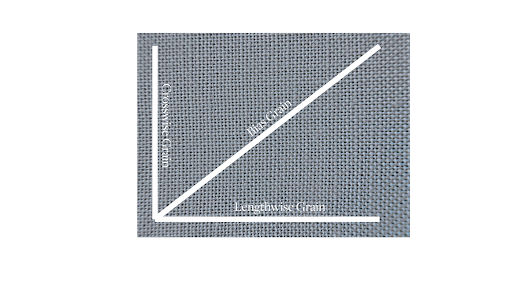
Image of the Grains of Fabric