

We're here to unravel the vast anatomy of the ever so clever: the Sewing Machine.
Hey there, sewing enthusiast!
Ever find yourself lost in a total maze of components on a sewing machine?
Fear not!
We've got your back with a really quick rundown of the basics.
Whether you're a newbie or a seasoned sewist, these tips and vocabulary will have you navigating your machine like a pro in no time.
First things first, let's talk NEEDLES. Always use fresh, sharp needles for your projects. After about 8-10 hours of use, the needle becomes blunt and makes larger holes in the fabric. It may also start pulling up small fibers, make the seam look uneven and even skip stiches and break the thread - it’s never fun having to re-thread your machine while in the middle of a stich.
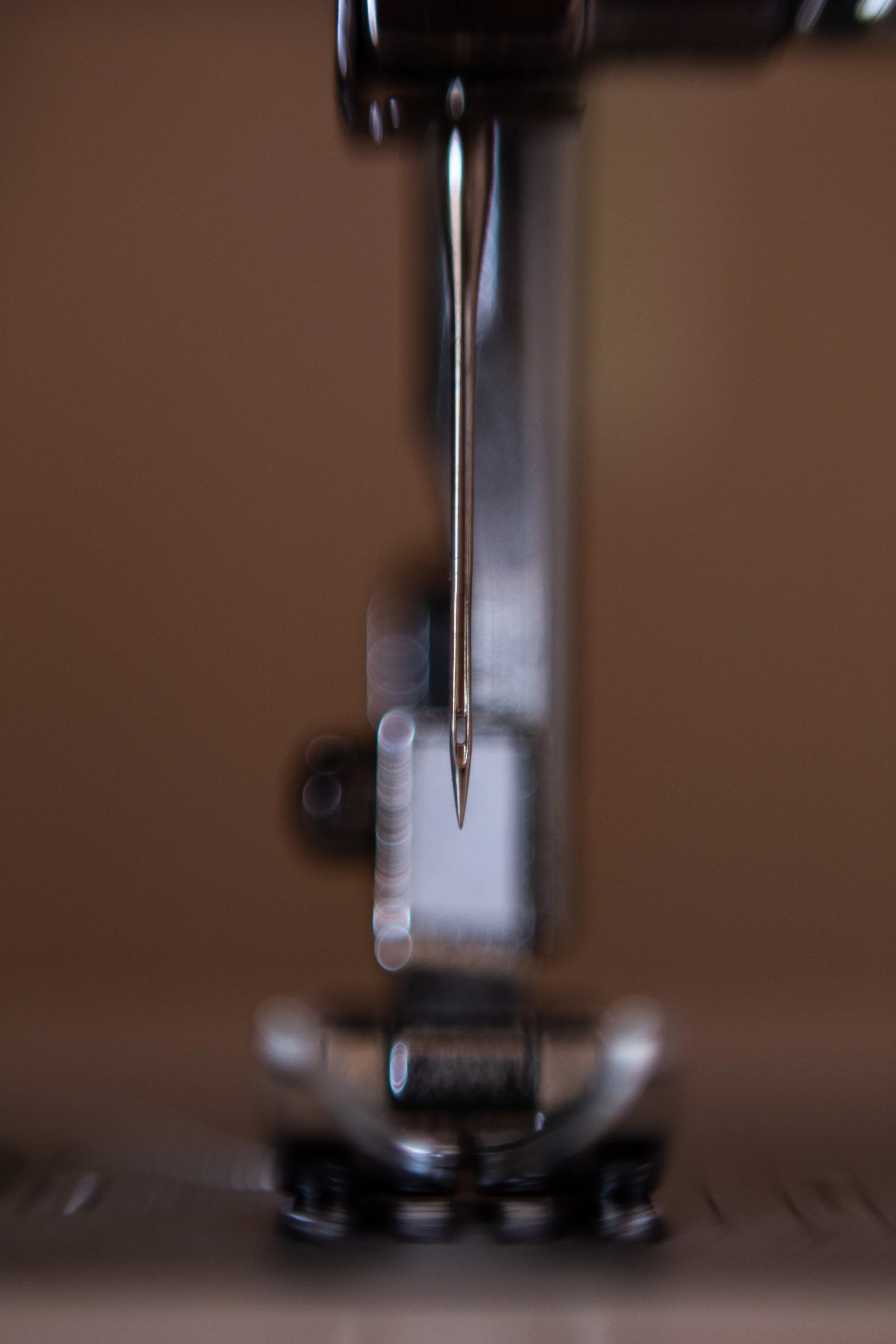
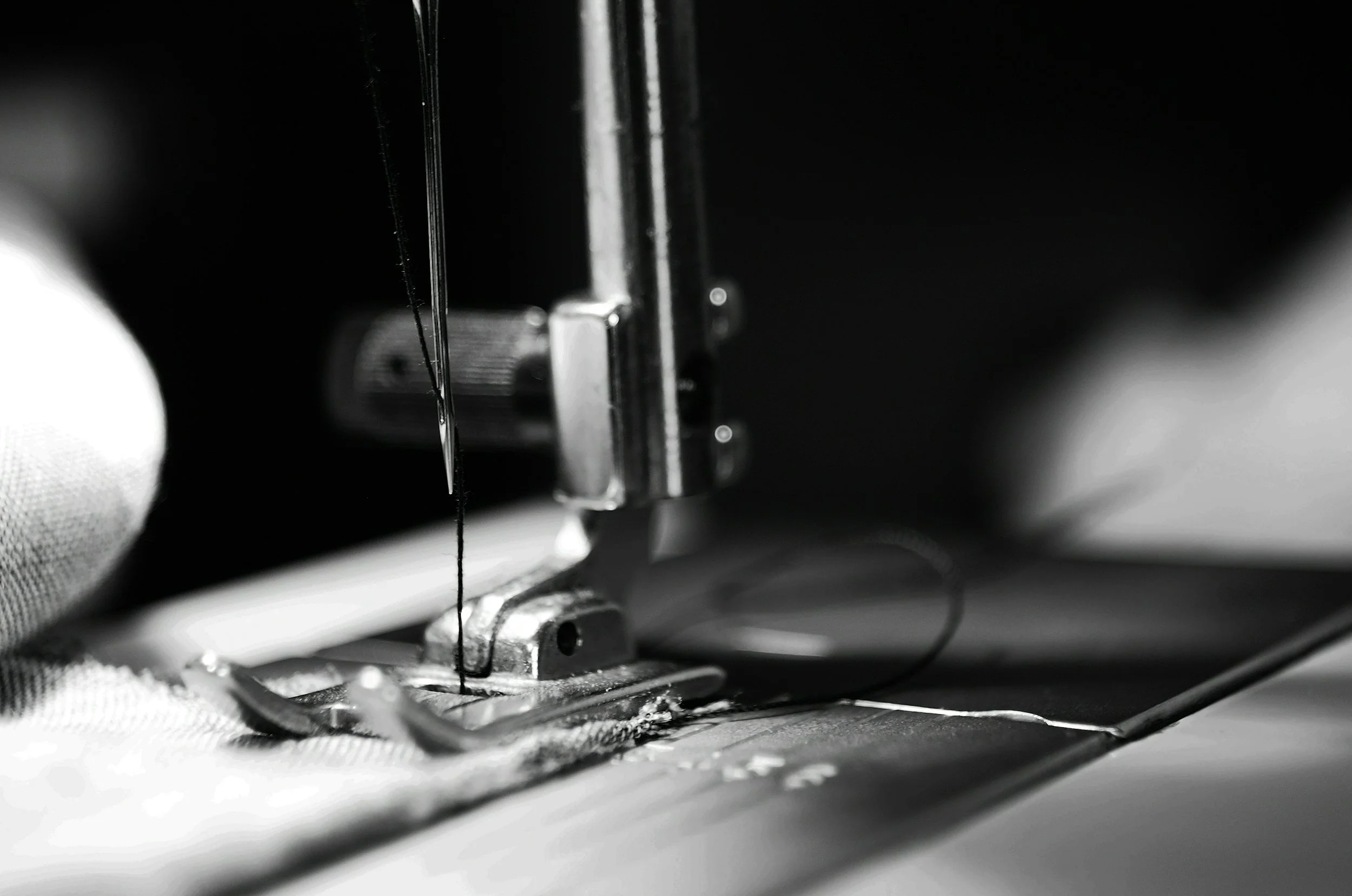
Familiarize your self with types of needles needed for specific types and thickness of fabrics. When maneuvering fabric across the throat plate, ensure to maintain a safe distance of an inch or two from the presser foot and the working needle to prevent accidents. Keep those fingers safe! If you're taking a sewing break, lift your foot off the pedal, use your HANDWHEEL (located on the right of the machine, and always turn towards you) to put the needle in the complete down position to avoid any accidental needle action. This is also how the machine should be stored - with the needle down.
Ever heard of a BOBBIN and the bobbin case? These little wonders hold the bottom thread that creates the underside of your stitches. Plus, we've got slide plates or bobbin covers for easy access when you need to switch up colors. The bobbin spool can be plastic or metal, depending on your machine model. If the bobbin is inaccurately inserted, chances are, your machine will not work. It can seize and even break the needle.
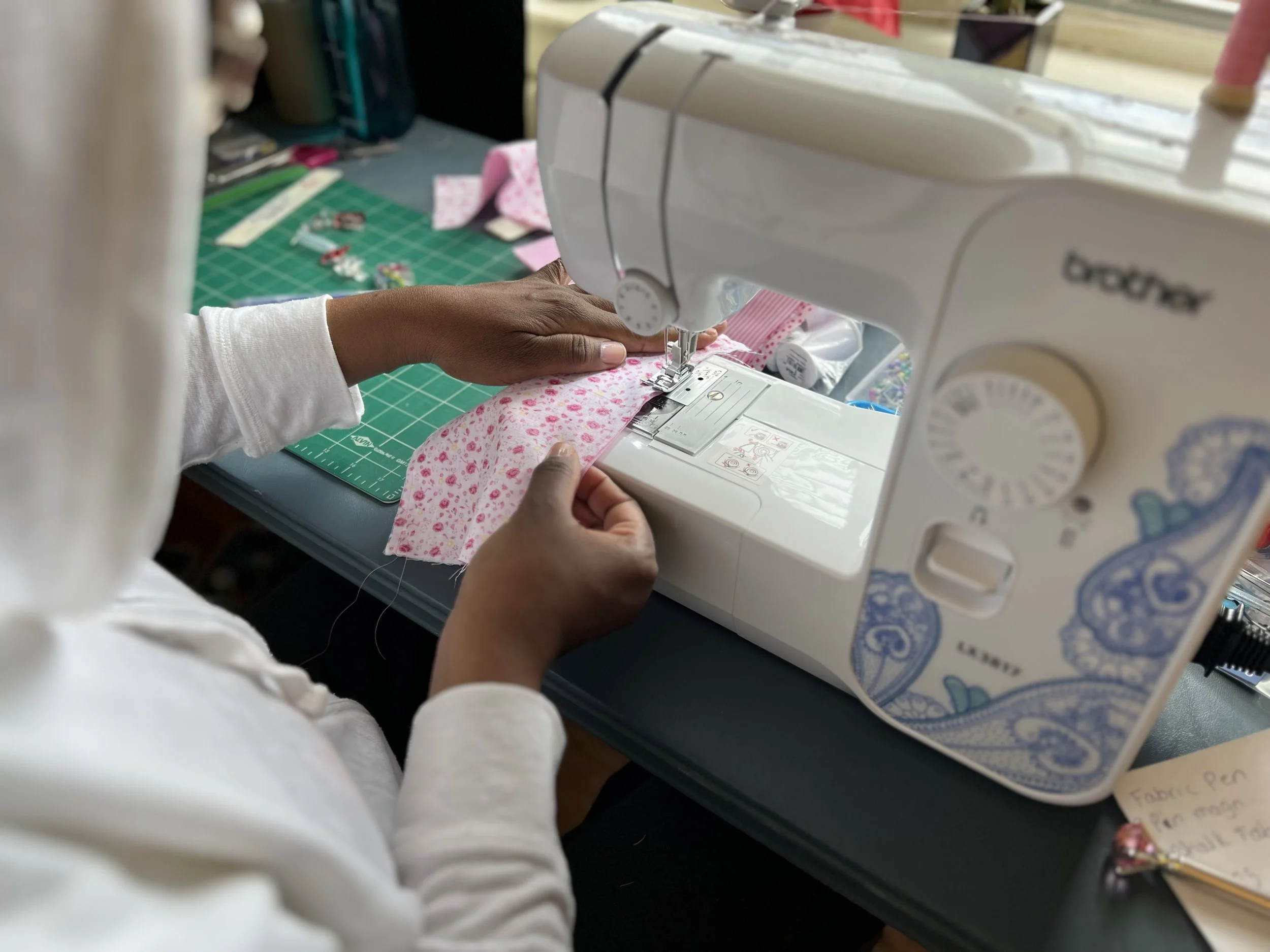
Onto the PRESSER FOOT. This handy accessory keeps your fabric in place while you work your magic. Different feet for different feats – think zipper foot for zippers, nonstick foot for smooth sailing with leather and oilcloth, the self-explanatory button hole foot, piping presser foot, and so much more.
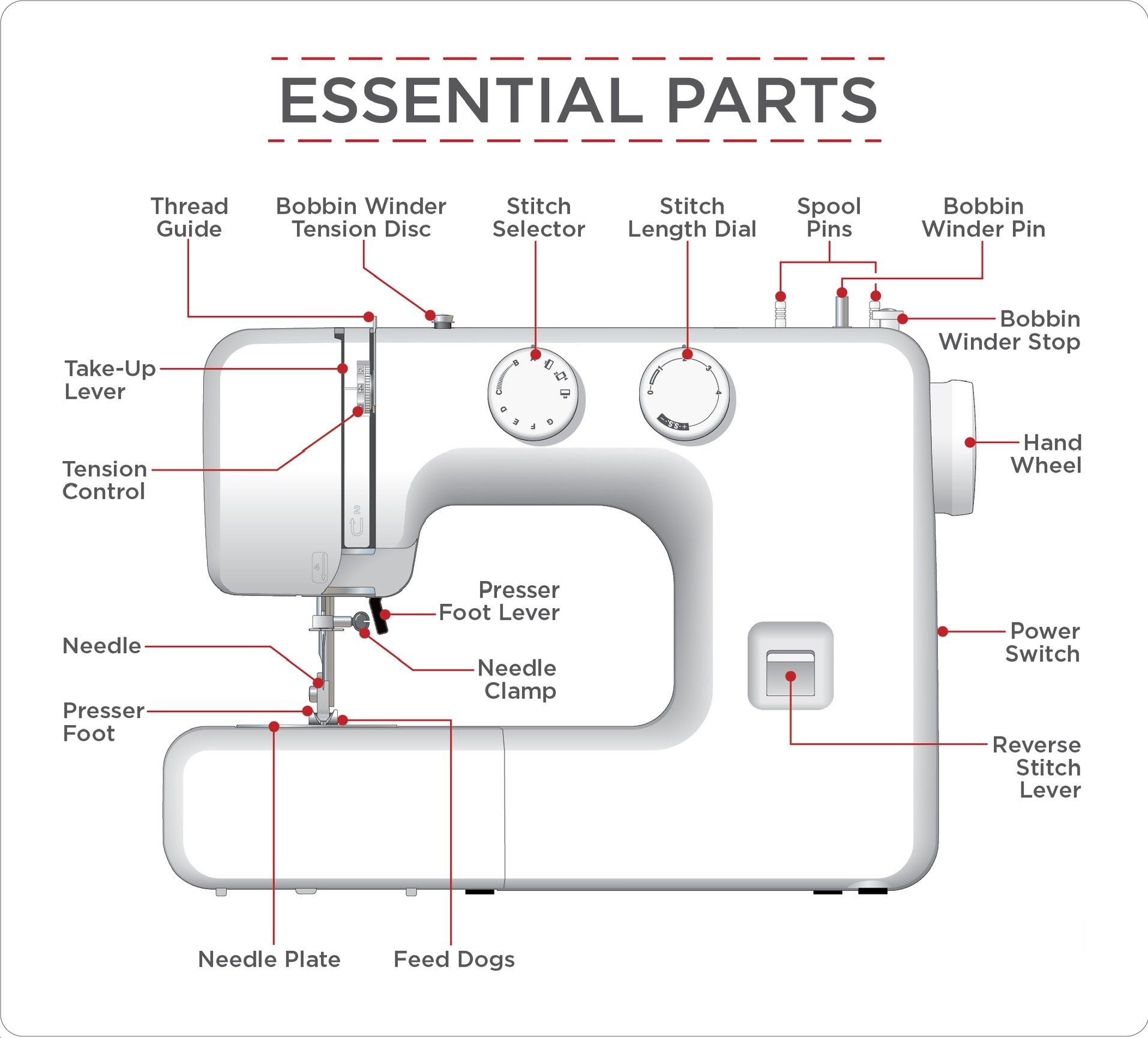
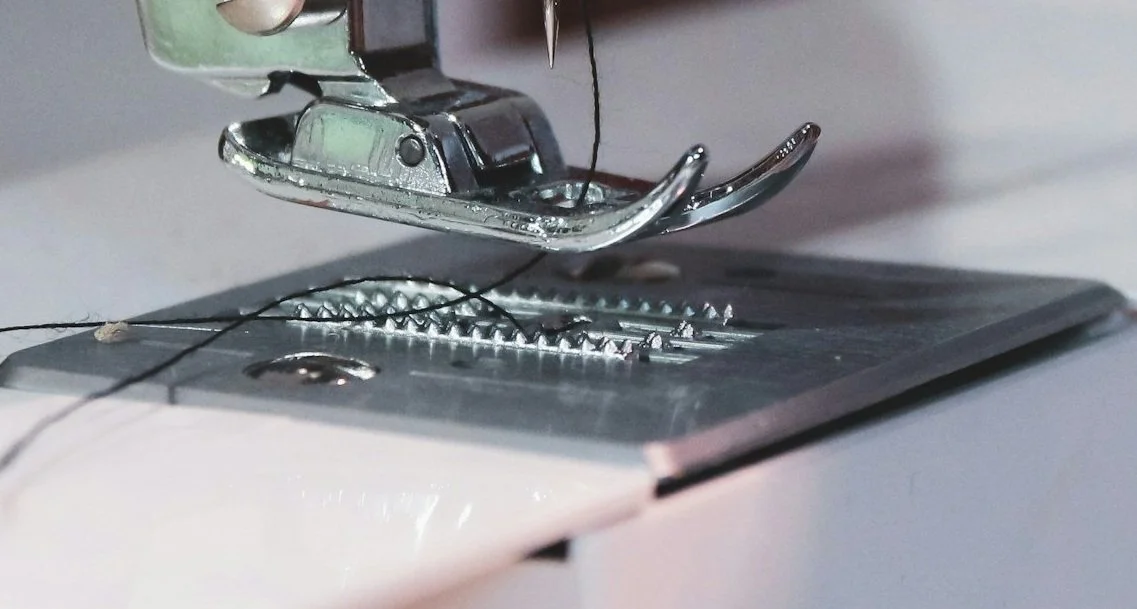
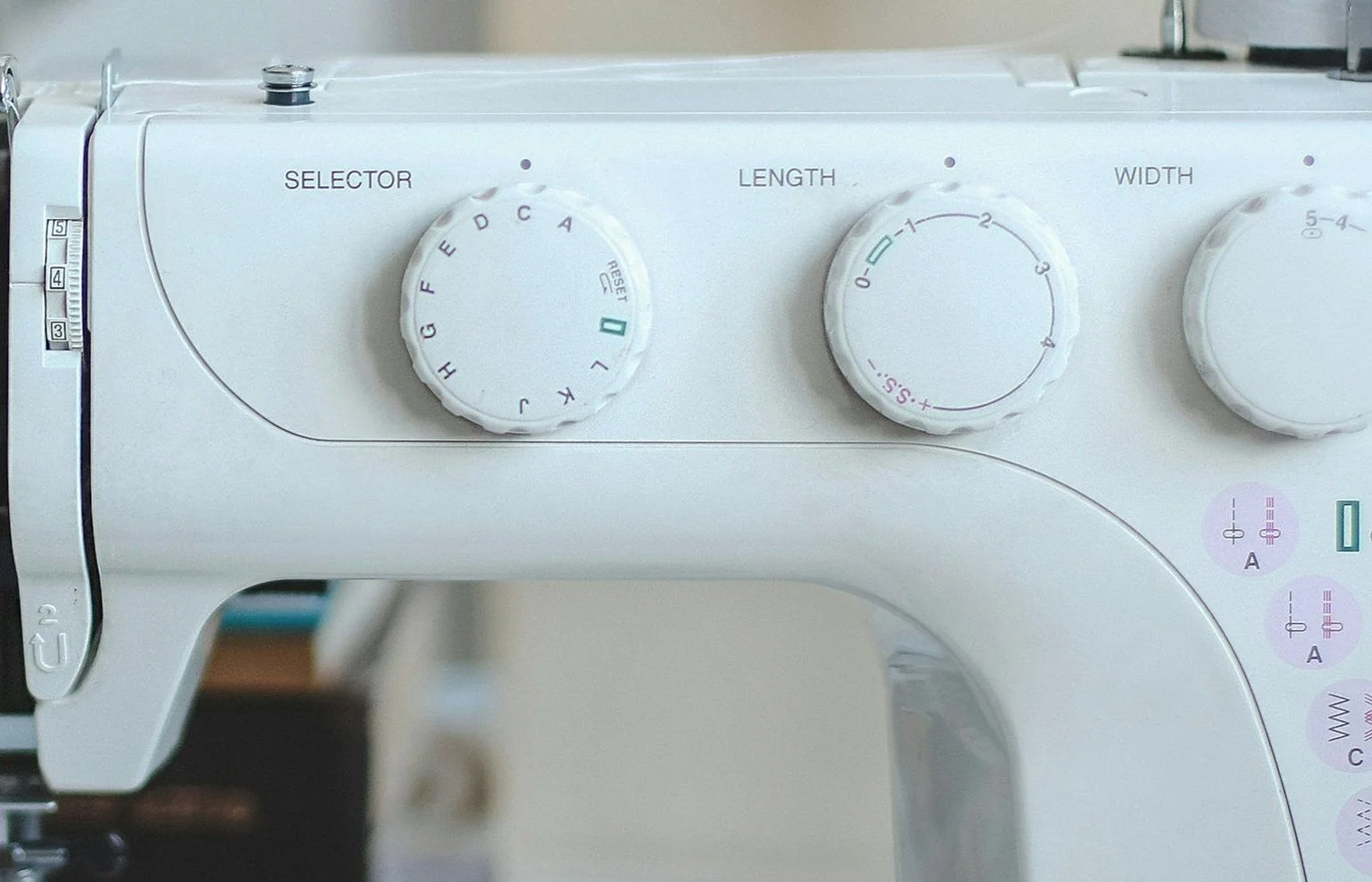
Needles? Check!
Throat plate? Got it.
FEED DOGS? Yes, those are the metal or rubber teeth pulling your fabric along, popping up and down under the throat plate.
Let's not forget about the TENSION regulator – that knob keeps those stitches neat and uniform. Don’t mess with it too much. It can be very temperamental.
Oh, and speaking of stitches, we've got a whole menu of options for you to explore: zig-zags, straight, blind-hem, overcast, and the list goes on. From selecting stitches to adjusting width and length, it's all at your fingertips. If you have a machine with dials - you just turn the dial until the desired diagram of a stich is reached. If your machine is digital, usually you need to tap a button (or two) to switch between the stiches. We’ll talk about the variety of stiches in a different post.
Let’s always remember the handy reverse-stitch button/lever for securing your seams in the beginning of your seam and at the end… 3 stitches forward, REVERSE, 3 stitches back, and on you go.
Last but not least, let's talk speed. The pedal is your ticket to sewing success – press down for speed, ease up to slow down - pretend there’s a fresh egg between your sole and the pedal - now drive.
Slowly.
Speed up when you feel that you can handle the turns and keeping your seams straight.