

Exploring the Color Palette: How Artists Inspire Fashion Trends
In the world of Textiles and fashion, color is more than just a visual element
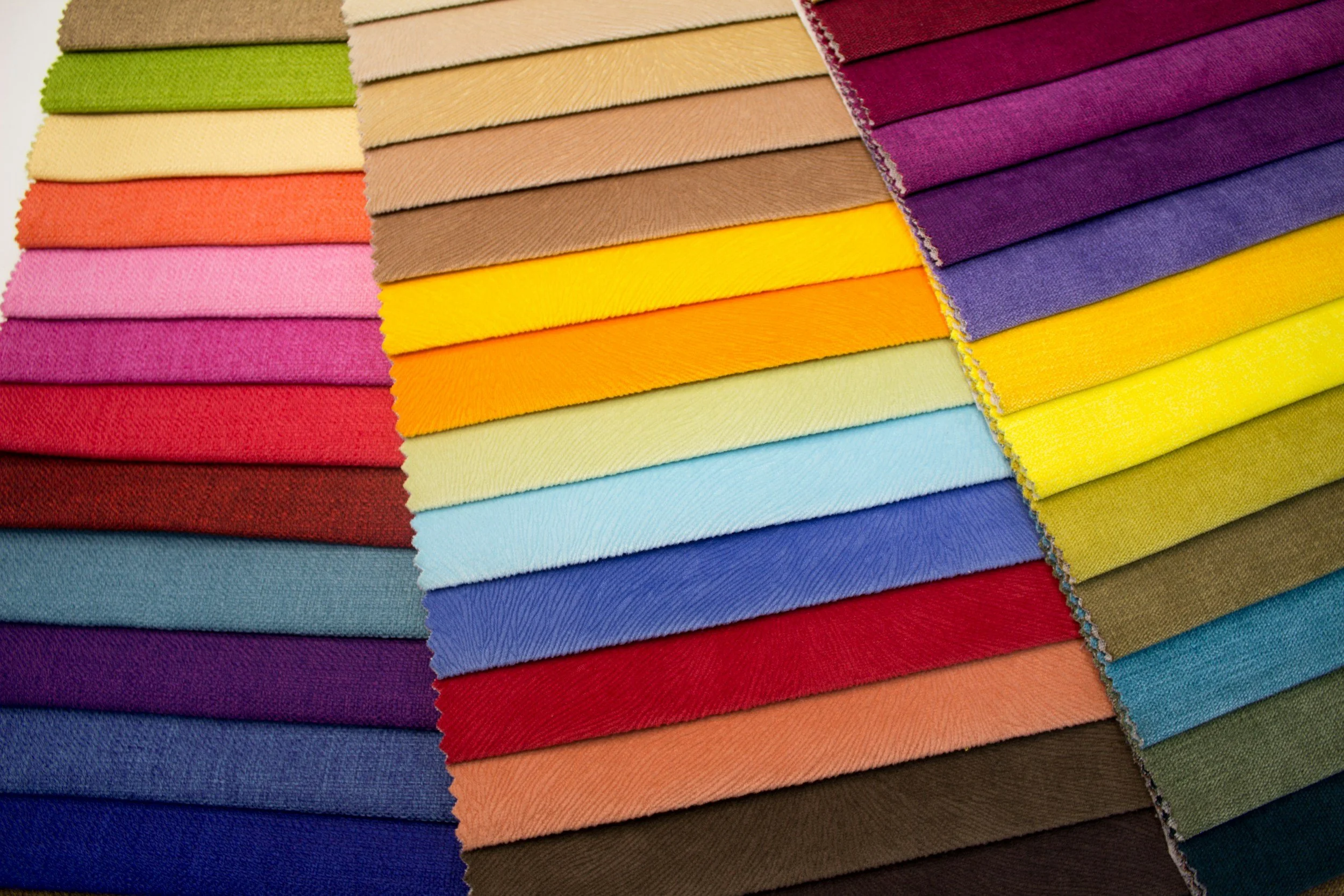
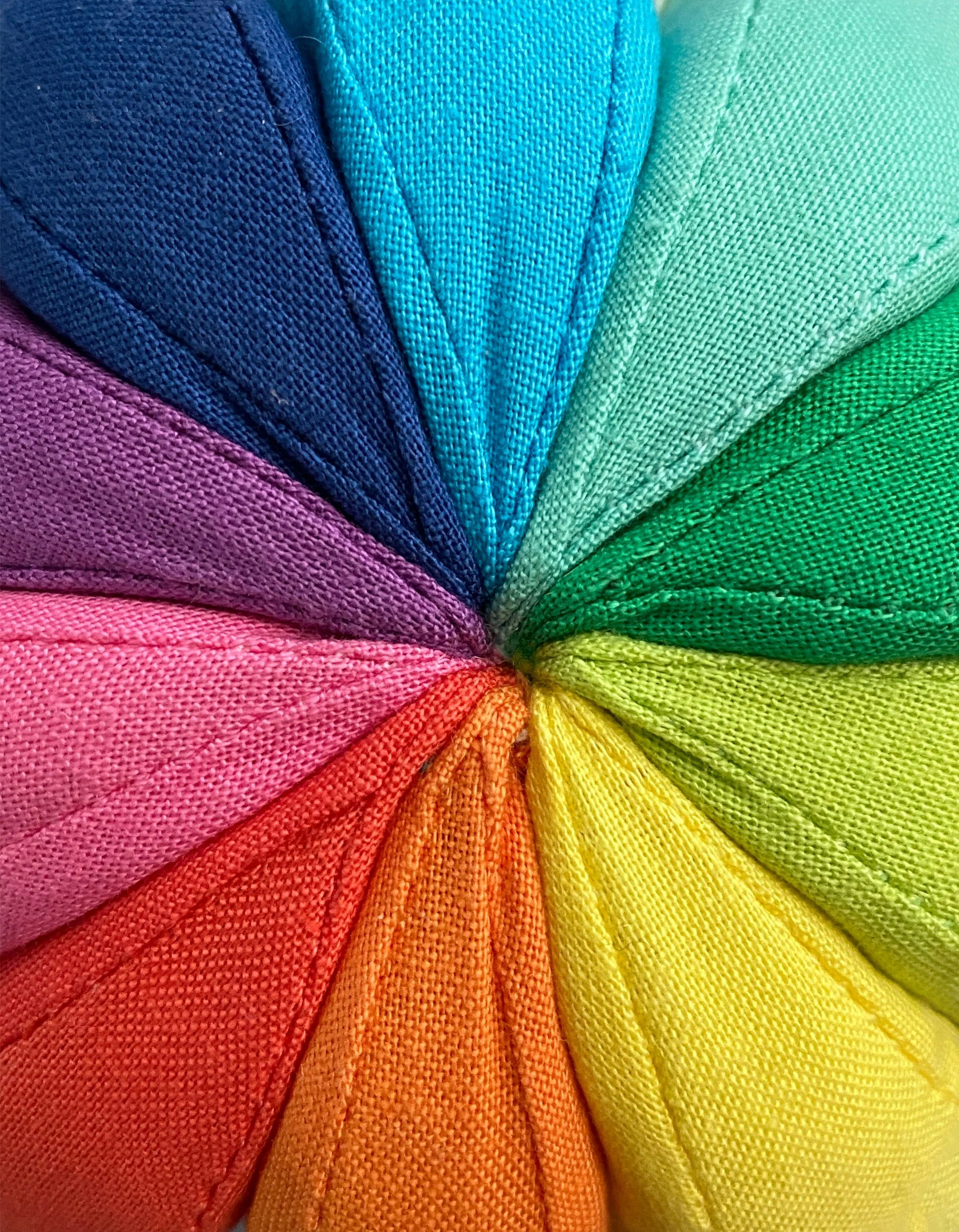
—it's a language of expression, emotion, and cultural significance. From the soft pastels of Impressionist paintings to the bold graphics of Pop Art, artists throughout history have played a pivotal role in shaping color trends in clothing.
Join us on a journey through art history as we explore the intersection between art and fashion and how artists have influenced the color palette of textile design.
**The Influence of Impressionism:**
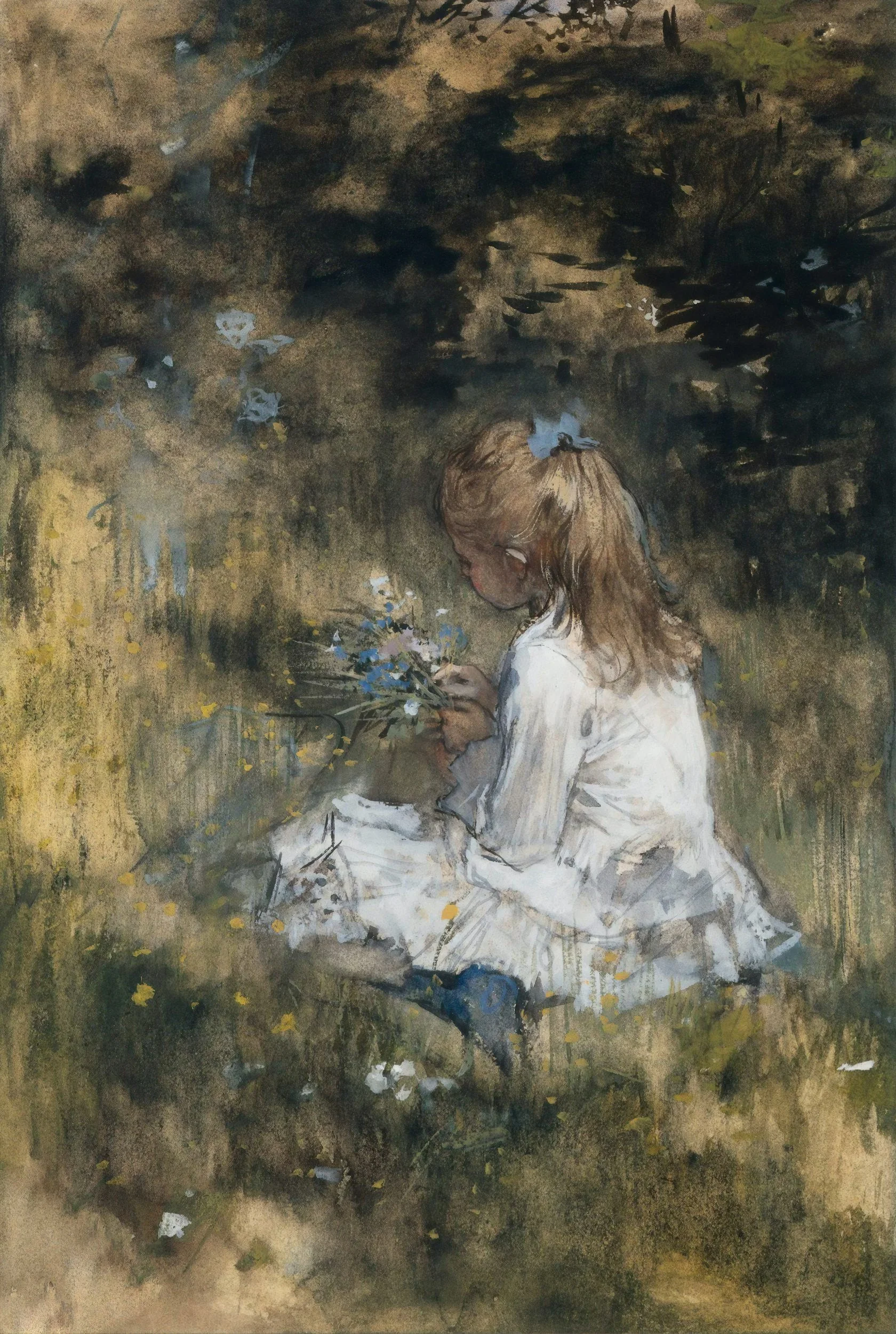
In the late 19th century, Impressionist painters rebelled against the rigid conventions of academic art, opting instead to capture the fleeting effects of light and color in their works. Artists like Claude Monet and Pierre-Auguste Renoir drenched their canvases in vibrant hues, creating dreamy landscapes and intimate scenes filled with soft, luminous colors. The ethereal beauty of Impressionist paintings quickly captivated the fashion world, leading to a trend of pastel shades and delicate floral prints in clothing. Dresses adorned with watercolor-inspired patterns and lightweight fabrics mimicking the brushstrokes of Monet's water lilies became emblematic of the romanticism and femininity associated with the Impressionist aesthetic.
Christian Dior: Dior's haute couture designs often drew inspiration from art movements, including Impressionism. His use of delicate fabrics, soft draping, and romantic silhouettes can be seen as a nod to the ethereal quality of Impressionist paintings.
Claude Monet Collection by Kim Jones for Dior: In 2020, Dior's artistic director Kim Jones collaborated with the Musée des Impressionnismes Giverny to create a collection inspired by Claude Monet's paintings. The collection featured floral prints and pastel colors reminiscent of Monet's iconic water lilies and gardens.
While designers may not explicitly cite Impressionism as a direct influence, the principles of the movement—such as the emphasis on light, color, and atmosphere—have undoubtedly contributed to the development of their creative visions. Just as Impressionist painters sought to evoke mood and emotion through their work, designers and architects continue to explore new ways of engaging with space and form, drawing inspiration from the rich tapestry of artistic history.
**The Geometry of Cubism:**
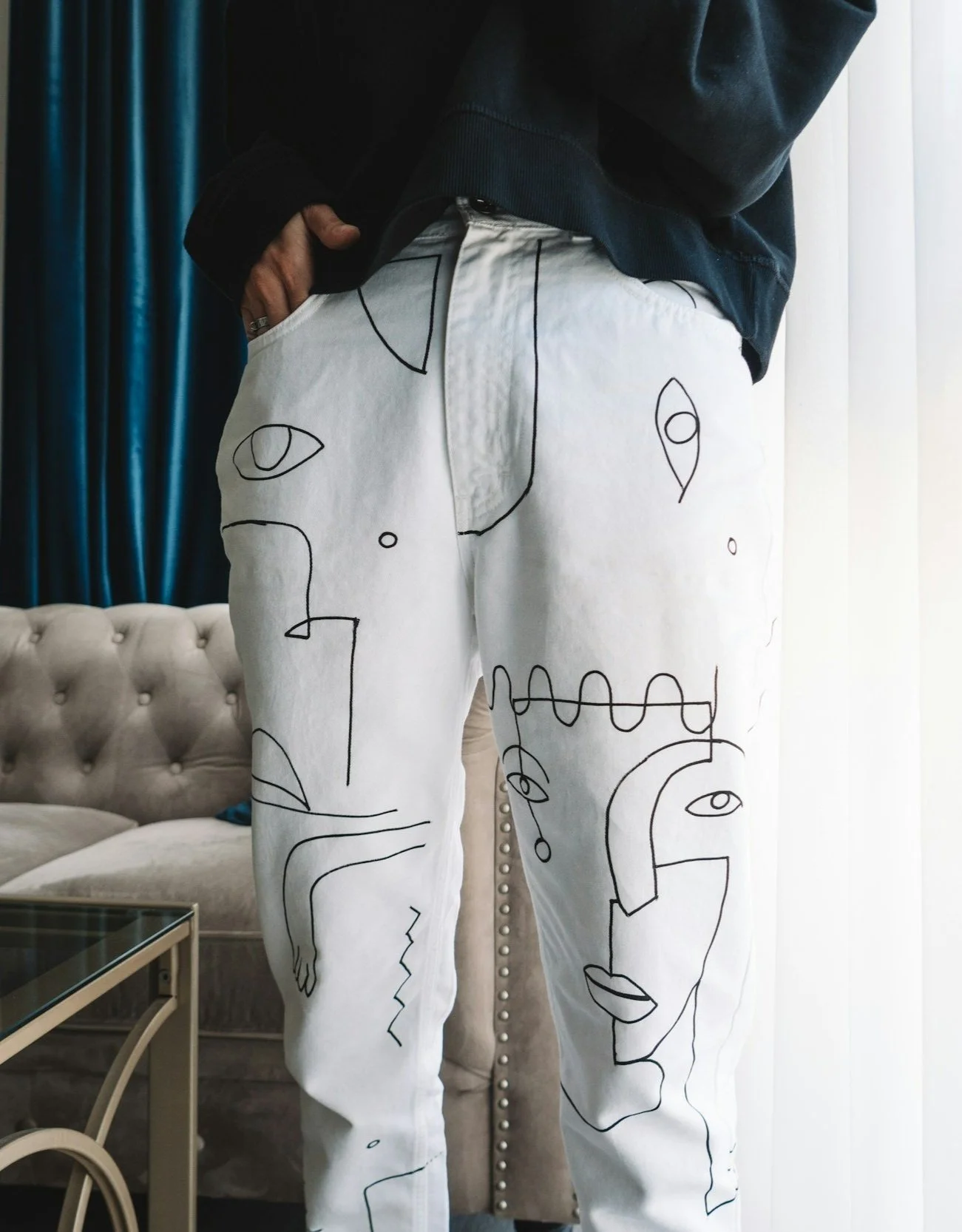
At the dawn of the 20th century, Cubist artists like Pablo Picasso and Georges Braque shattered traditional notions of perspective and representation, fragmenting forms into geometric shapes and reimagining space on canvas. Their revolutionary approach to composition and color paved the way for a new aesthetic vocabulary in both art and fashion. Cubism's influence on clothing design was evident in the emergence of geometric prints and color-blocking techniques, as designers embraced the angular forms and dynamic interplay of light and shadow seen in Cubist paintings. Dresses adorned with bold, graphic patterns and structured silhouettes mirrored the geometric complexity of Picasso's fractured portraits, while color-blocked separates and accessories celebrated the juxtaposition of contrasting hues.
While Picasso is primarily known as a groundbreaking artist, his influence extended beyond the realm of fine art to impact fashion and design.
In the 1960s, Picasso collaborated with the Italian fashion designer Elsa Schiaparelli to create a collection that was directly inspired by Cubism. Schiaparelli was known for her avant-garde approach to fashion, and her collaboration with Picasso resulted in a series of garments that incorporated Cubist motifs and geometric shapes.
One of the most iconic pieces from this collaboration is the "Cubist Coat," which features bold, angular lines and abstract shapes reminiscent of Picasso's Cubist paintings. The coat is a striking example of how Schiaparelli translated the principles of Cubism into wearable art, blurring the boundaries between fashion and fine art.
Schiaparelli's Cubist-inspired collection was met with critical acclaim and cemented her reputation as a trailblazing designer at the forefront of the Surrealist and Cubist movements. The collaboration between Picasso and Schiaparelli exemplifies the enduring influence of Cubism on the world of fashion and demonstrates how artistic movements can inspire innovative approaches to design.
**The Surrealist Dreamworld:**
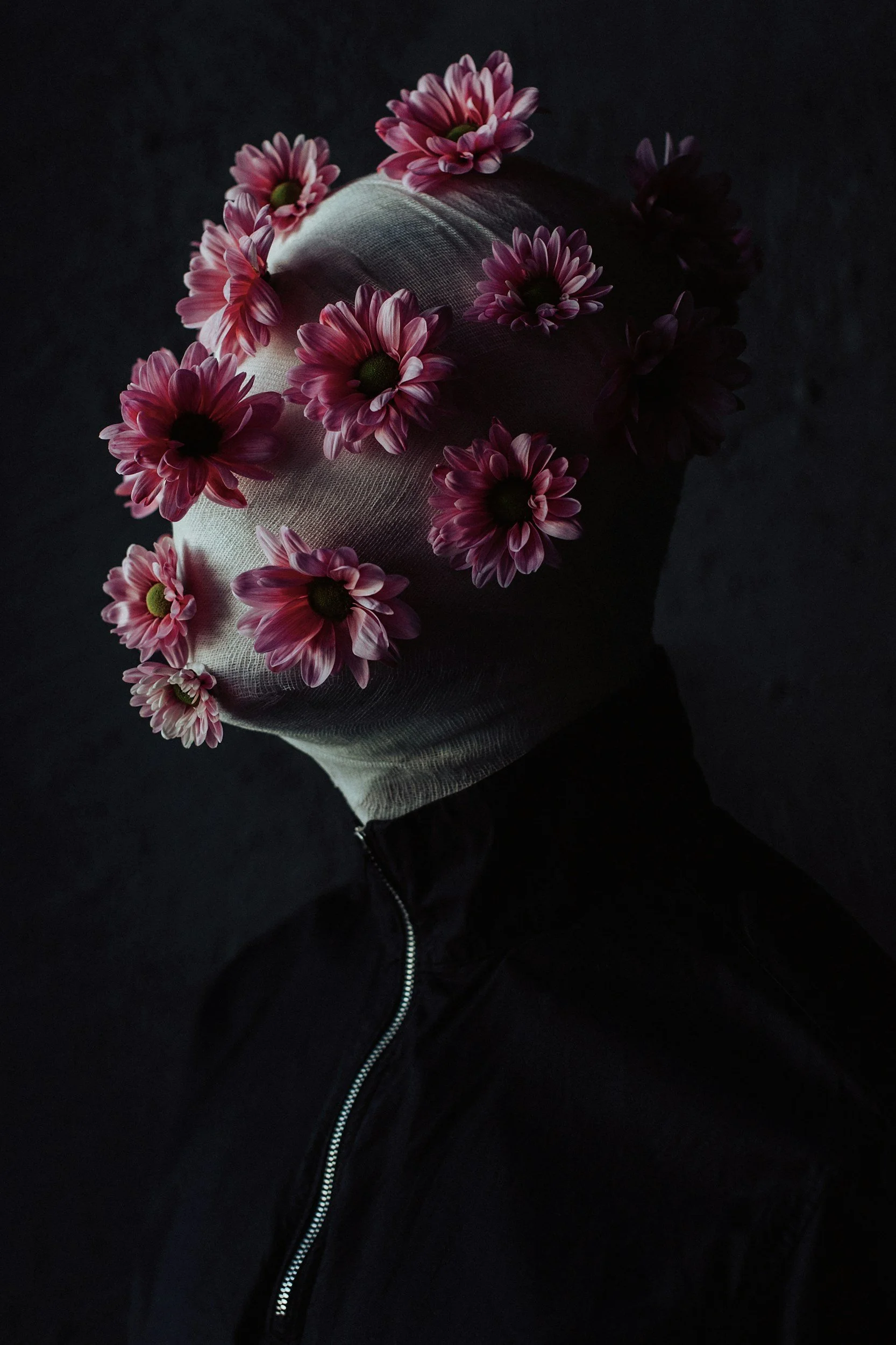
In the surreal landscapes of Salvador Dalí and René Magritte, reality and fantasy collide in a kaleidoscope of strange and unsettling imagery. Surrealist artists sought to unlock the subconscious mind, creating dreamlike worlds filled with symbolic motifs and unexpected juxtapositions. Their surrealistic vision captivated the fashion world, inspiring designers to embrace whimsical prints and unexpected color combinations in their collections. Dresses adorned with fantastical motifs like melting clocks and floating eyes echoed the surreal landscapes of Dalí's paintings, while accessories adorned with surrealistic symbols added a touch of whimsy to everyday ensembles.
One of Schiaparelli's most famous collaborations with Dalí resulted in the creation of the "Lobster Dress" in 1937. The dress featured a fabric design of a lobster painted by Dalí, strategically placed to accentuate the wearer's figure in an unexpected and whimsical manner. This surrealistic touch turned the garment into a wearable piece of art, embodying the playful and surreal spirit of the Surrealist movement.
Additionally, Schiaparelli's designs often incorporated surrealistic elements such as exaggerated proportions, unexpected details, and trompe l'oeil effects. Her creations challenged conventional notions of fashion, inviting wearers to engage with clothing as a form of artistic expression and self-identity.
Schiaparelli's exploration of the Surrealist aesthetic not only pushed the boundaries of fashion but also paved the way for future designers to experiment with unconventional themes and motifs in their work.
**The Bold Strokes of Abstract Expressionism:**
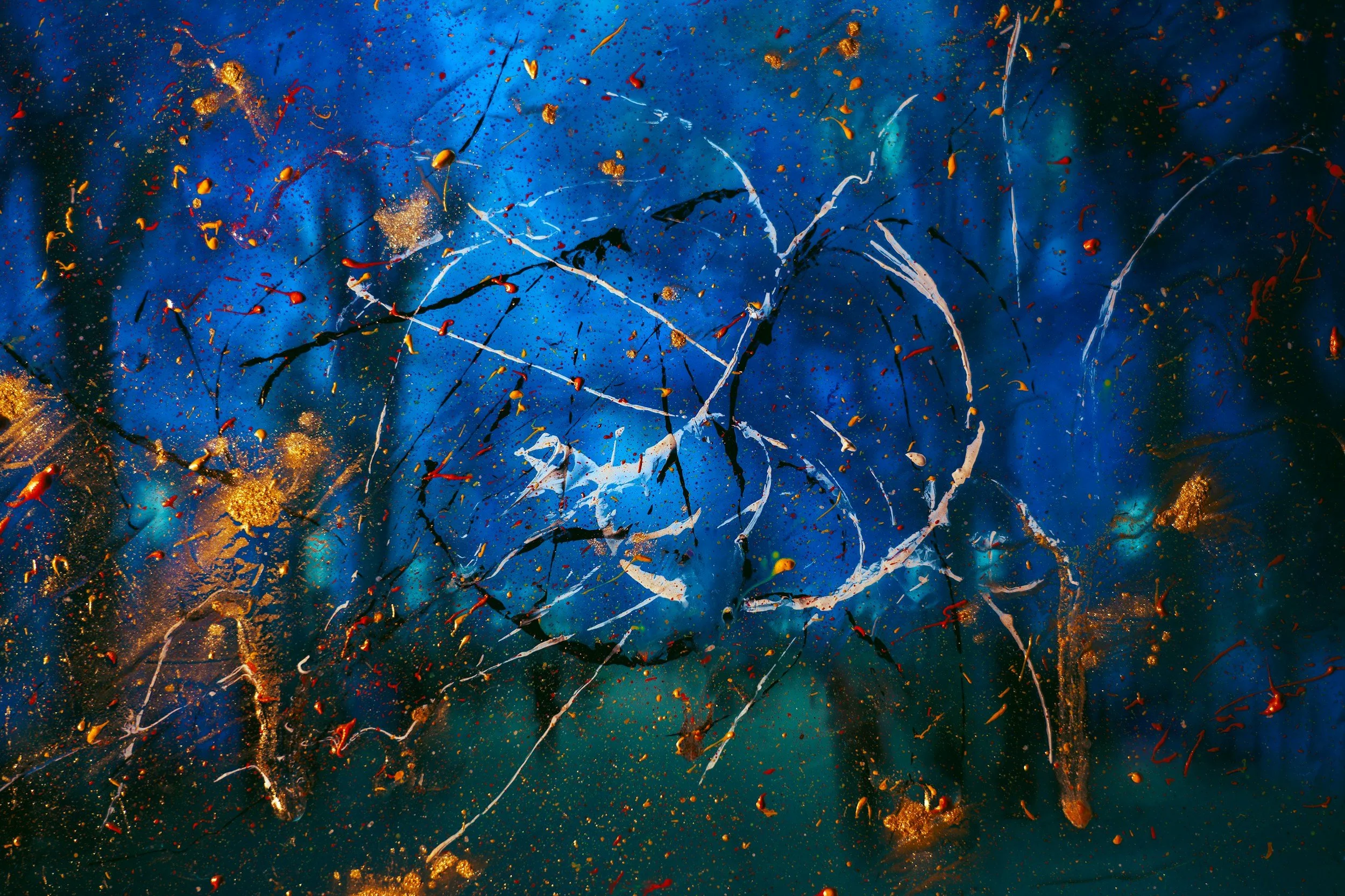
In stark contrast to the gentle brushwork of the Impressionists, Abstract Expressionist artists of the mid-20th century embraced bold, gestural strokes and vivid colors to convey raw emotion and energy on canvas. Figures like Jackson Pollock and Mark Rothko experimented with unconventional materials and techniques, resulting in dynamic compositions that pulsated with intensity. The influence of Abstract Expressionism on fashion was profound, inspiring designers to embrace vibrant color-blocking and abstract patterns in clothing design. Dresses adorned with splashes of bold color and graphic prints echoed the spontaneous energy of Pollock's drip paintings, while minimalist silhouettes and monochromatic ensembles paid homage to Rothko's luminous color fields.
One fashion designer who has been influenced by Jackson Pollock, Mark Rothko, and Abstract Expressionism is the renowned American fashion designer, Halston, who rose to prominence in the 1960s and 1970s for his minimalist yet glamorous designs, which became synonymous with the era's jet-set lifestyle.
Halston's fascination with Abstract Expressionism is evident in both his design aesthetic and his personal life. He was known to frequent art galleries and socialize with artists like Andy Warhol, who himself was deeply influenced by the Abstract Expressionist movement. Halston's designs often featured clean lines, simple silhouettes, and luxurious fabrics, which reflected the minimalist sensibilities of Abstract Expressionist art.
In particular, Halston's use of color and texture in his designs echoed the expressive qualities of artists like Rothko and Pollock. He experimented with bold, monochromatic color-blocking and fluid draping techniques, which evoked the dynamic energy and emotional intensity of Abstract Expressionist paintings.
Halston's innovative approach to fashion and his ability to capture the zeitgeist of his time made him a pioneering figure in the fashion world. His designs transcended traditional notions of clothing, embodying the spirit of freedom and self-expression that defined the era of Abstract Expressionism.
**The Pop Art Revolution:**
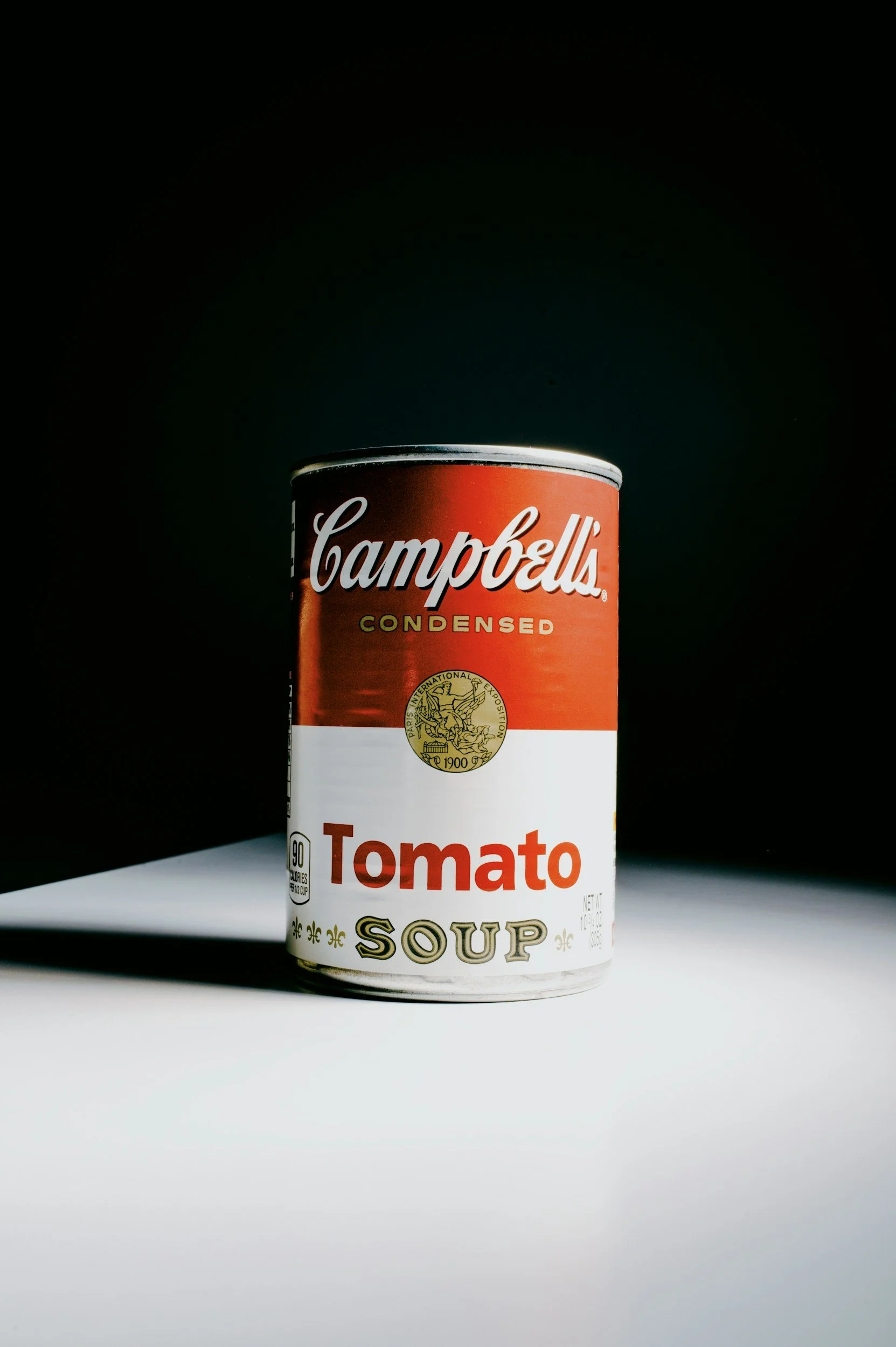
In the vibrant world of Pop Art, artists like Andy Warhol and Roy Lichtenstein celebrated the imagery of mass culture and consumerism, transforming everyday objects and icons into bold, graphic works of art. With their vibrant color palettes and playful imagery, Pop Art icons inspired a new generation of fashion designers to embrace bold colors and graphic prints in their collections. Dresses adorned with images of soup cans and comic book characters captured the irreverent spirit of Pop Art, while accessories adorned with bright, primary colors added a pop of playful energy to any outfit.
Yves Saint Laurent was a visionary French fashion designer who revolutionized women's fashion in the 20th century. Throughout his career, he drew inspiration from various art movements, including Pop Art, and incorporated artistic elements into his designs.
One of Saint Laurent's most famous collections inspired by Pop Art is his Fall/Winter 1966 "Mondrian Collection." This collection featured dresses and garments adorned with geometric color-blocked patterns directly inspired by the works of Dutch artist Piet Mondrian, known for his abstract compositions of primary colors and black lines.
Saint Laurent's "Mondrian dresses" became instant icons of 1960s fashion, blending the worlds of art and haute couture in a bold and innovative way. By translating Mondrian's artistic vision into wearable garments, Saint Laurent demonstrated the powerful influence of art on fashion and vice versa.
**Contemporary Inspirations:**
Today, the influence of artists on fashion trends continues to be as strong as ever. From street art to digital art, contemporary artists are redefining the boundaries of creativity and inspiring designers to push the limits of color and texture in their collections. Collaborations between artists and fashion designers have become increasingly common, with artists lending their unique vision to clothing collections through bold prints, vibrant patterns, and innovative fabrications. By drawing inspiration from the rich palette of art history, designers are able to create clothing that not only reflects the cultural zeitgeist but also celebrates the enduring power of creativity and expression.
In the colorful tapestry of textiles and fashion, artists are the master weavers, creating vibrant threads of inspiration that span across centuries and continents. From the soft pastels of the Impressionists to the bold graphics of the Pop Artists, the influence of art on fashion is undeniable. By exploring the intersection between art and fashion, we gain a deeper understanding of the cultural forces that shape our world and the endless possibilities that await those who dare to dream in color.
So, the next time you step into your closet, take a moment to consider the artists who have paved the way for the colorful tapestry of fashion that surrounds you. Whether you're channeling the romanticism of the Impressionists or the irreverence of the Pop Artists, remember that fashion is not just about what you wear—it's a canvas for self-expression and creativity, inspired by the endless beauty of the world around us.